Resilience and Beauty
WILD CAMELLIA
Cold winter is here! If you are planning to visit Ojika in January-February, better brace yourself. The harsh North wind will surely drive you indoors in no time. However, during these months, you can witness the wild and resilient beauty that is the Tsubaki, aka, Japanese Wild Camelia.
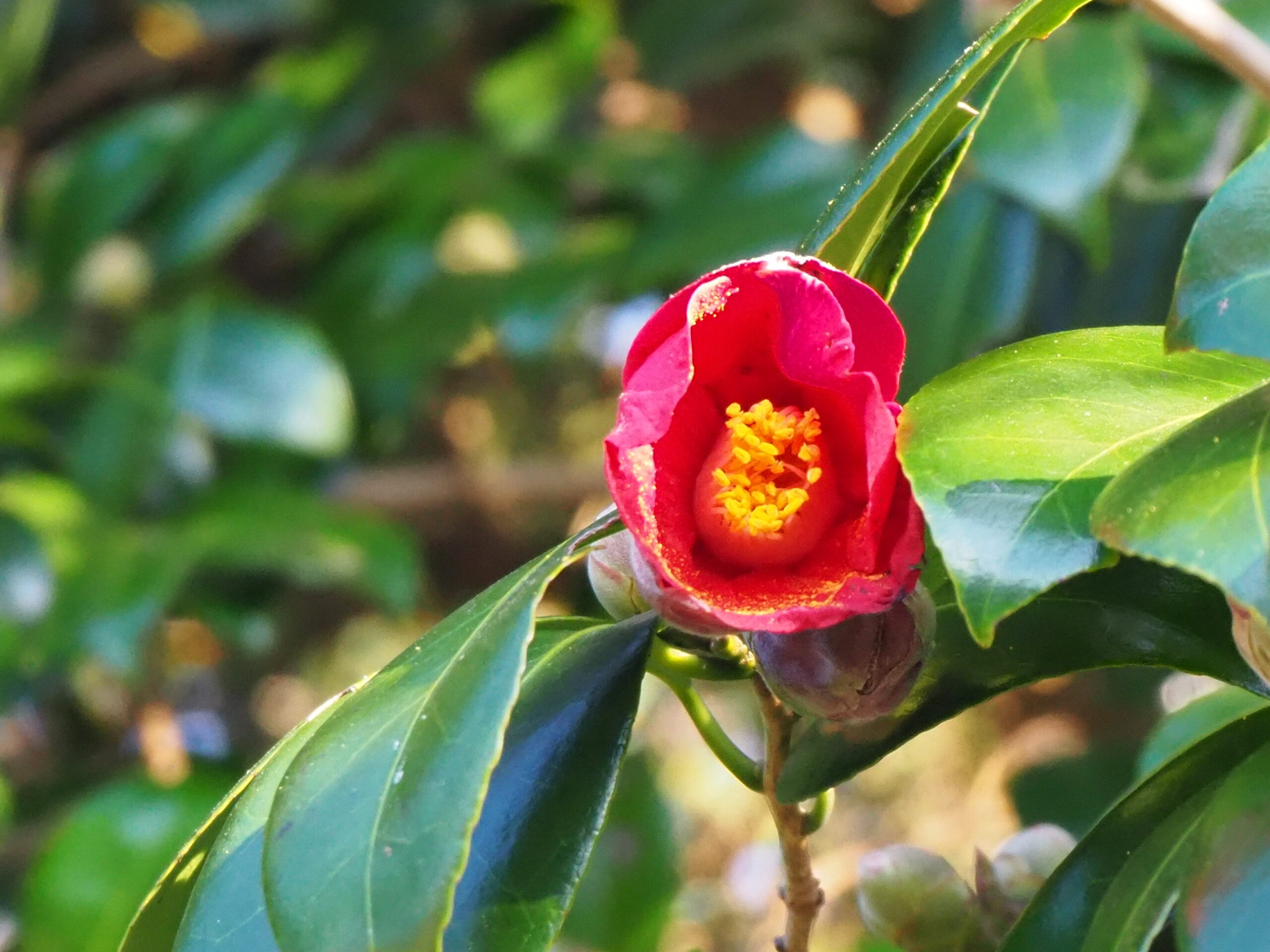
Native to Gotō Islands, Camelia is one of the most famous flowers in Japan. Blooming in the harsh winter season, it symbolizes beauty and strength. The oil produced from Tsubaki seeds is rich in Omega-3, -6, and -9 fatty acids, anti-aging polyphenol antioxidants, and vitamins A, B, D, and E. No surprise that it is often incorporated in Japanese cosmetics.
Camelia trees can be found everywhere in Ojika. In Septemeber streets are dotted with their seeds: a much welcome extra income for locals who collect the seeds and sell them for around 800 Yen per kilogram. I found it cute how my elderly lady friends are so feisty when it comes to collecting these seeds, and pick some up to give them on my morning walks.
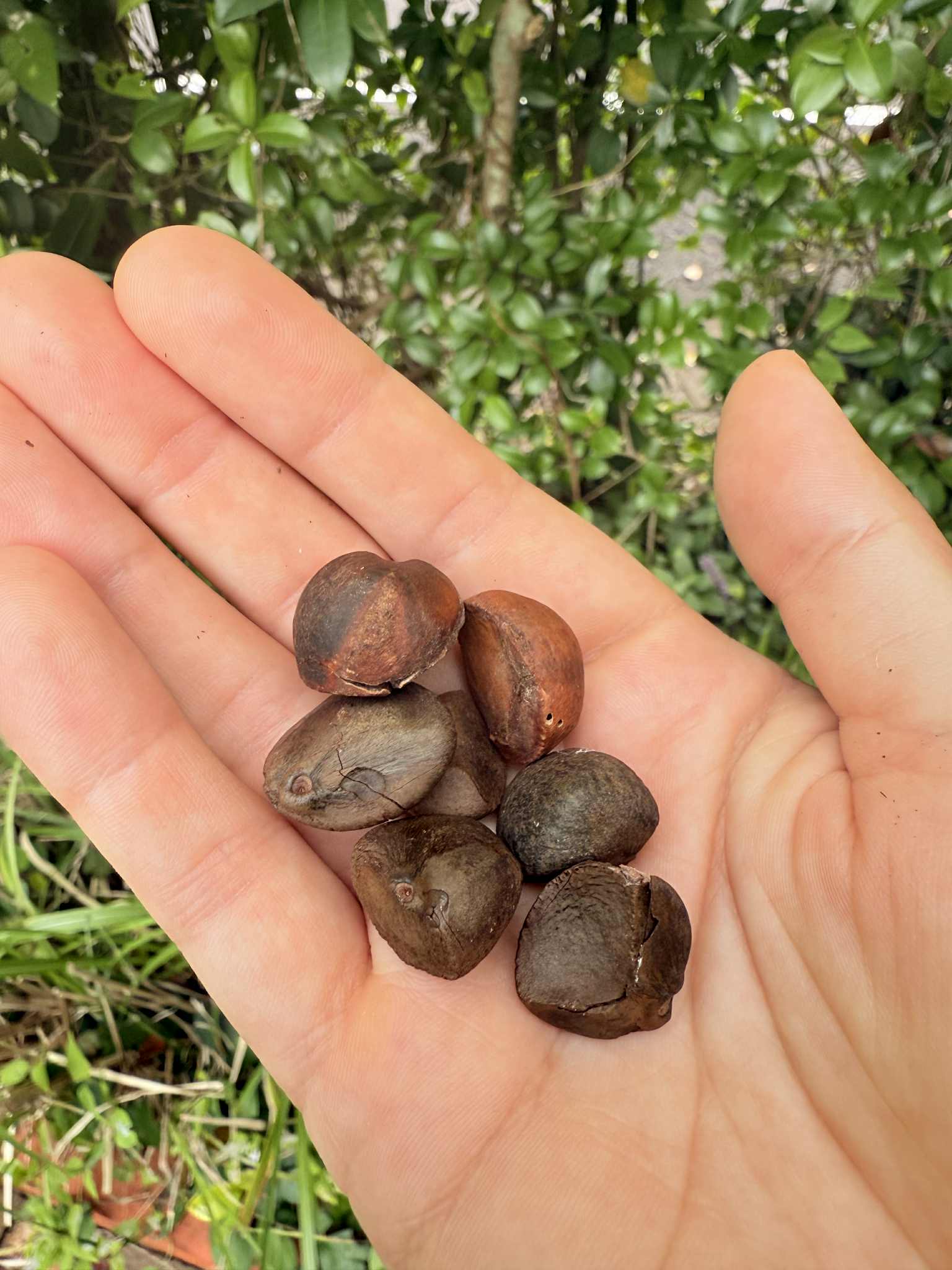
First, the sundried seeds are pulverised. Then, they are heated with steam, and by gradually increasing the pressure, the valuable oil is extracted. Finally, the oil is filtered using washi (traditional Japanese paper).
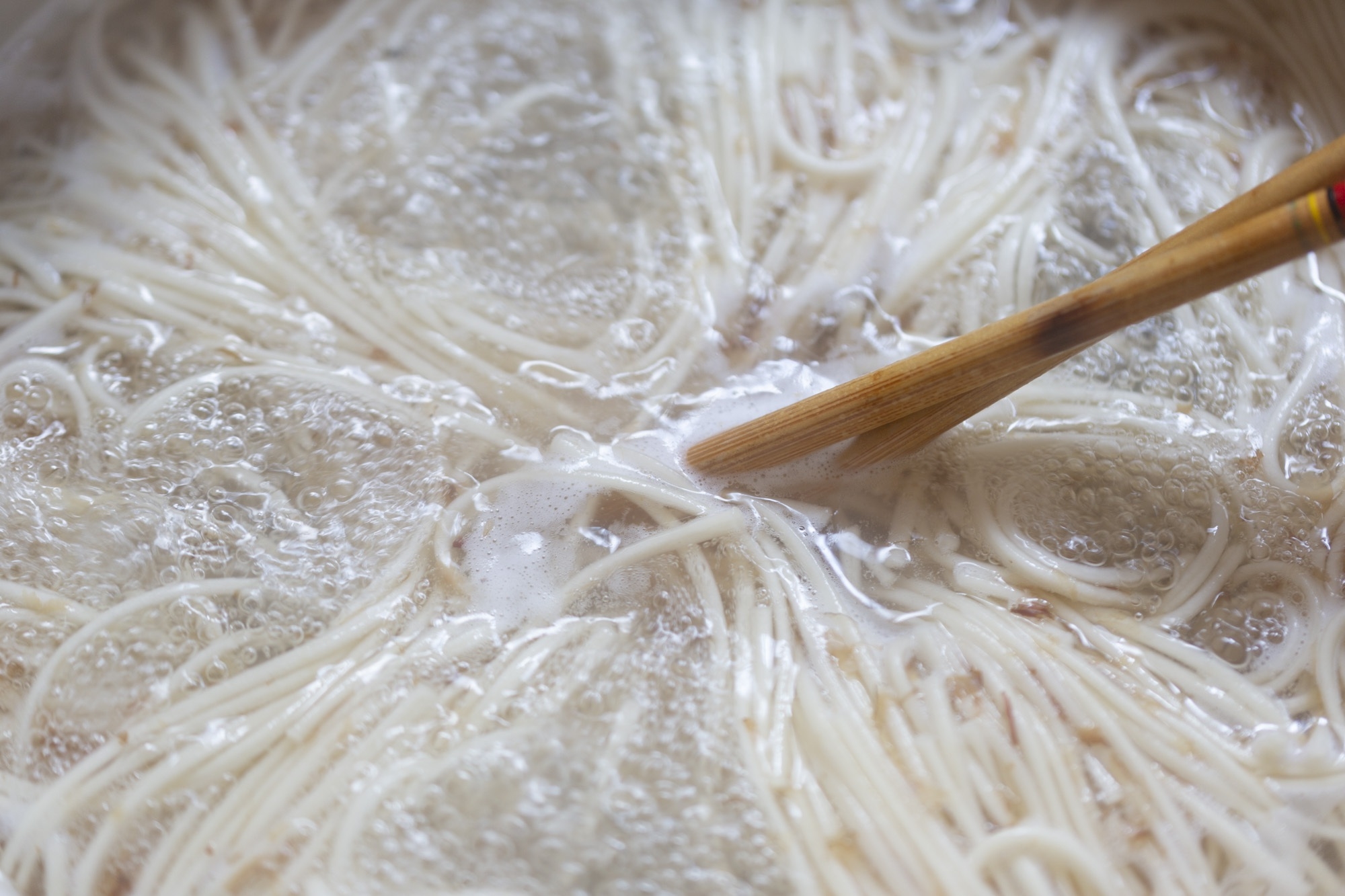
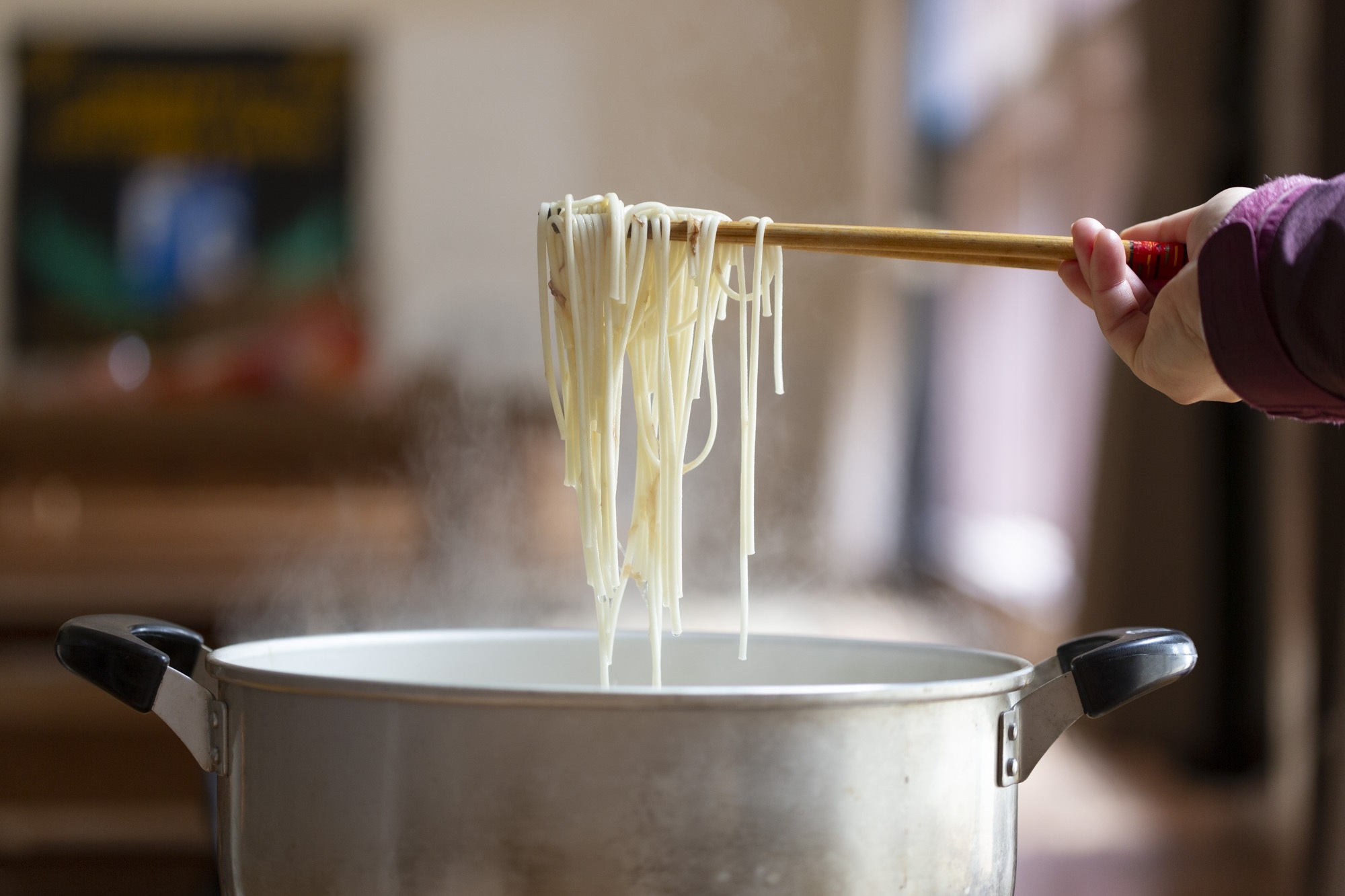
Besides the cosmetics, Camelia oil is also used in cooking. Goto Udon might be the best example. Unlike the regular Udon noodles, Goto Udon noodles are coated in Tsubaki oil that gives it a silky texture and a firm, chewy bite. They are also visibly thinner.
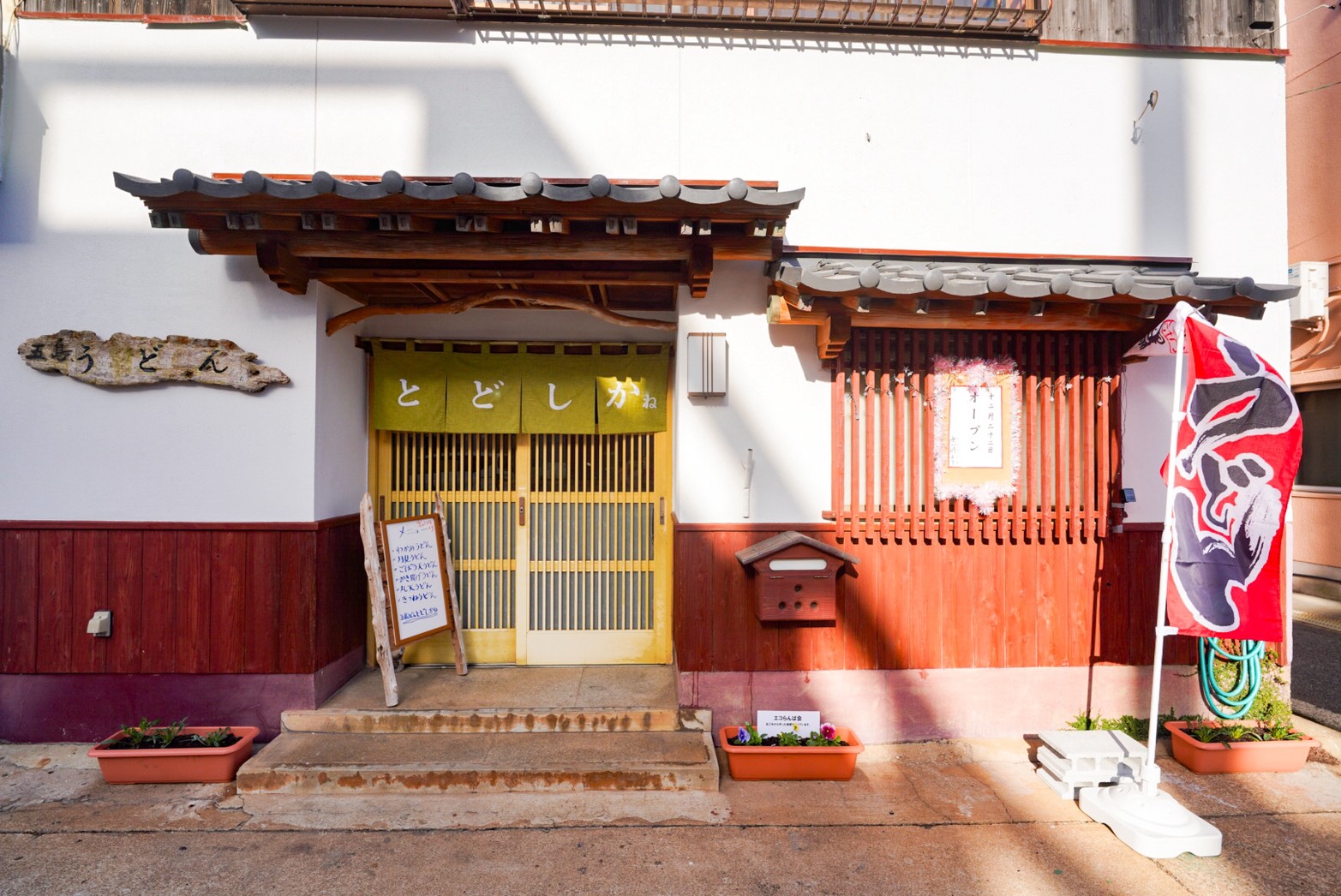
In Ojika, you can eat Goto Udon at a newly opened restaurant, Todoshika-ne, located a couple of minutes’ walk from the ferry terminal.
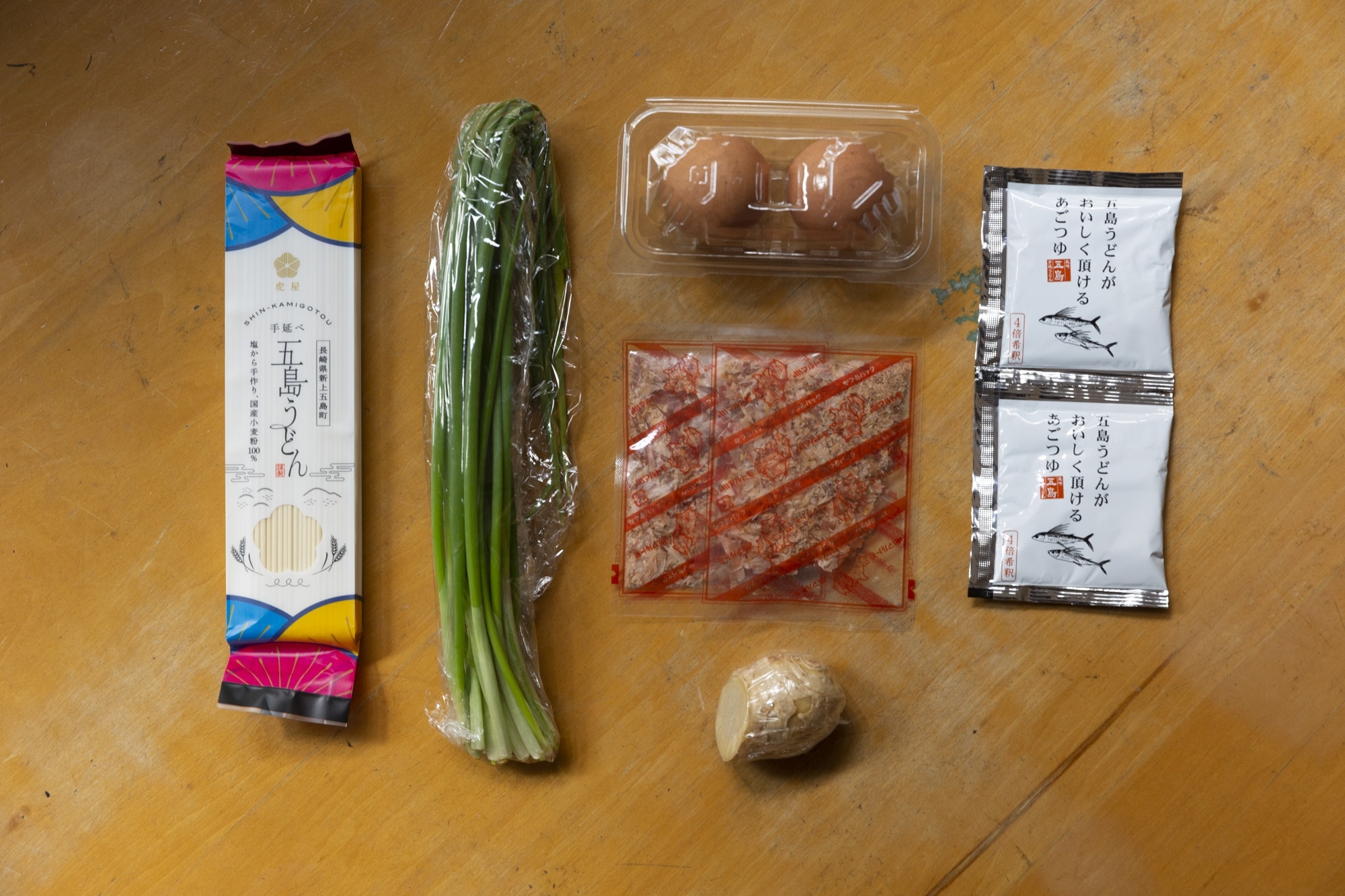
Otherwise, you can purchase the noodles and prepare them yourself. They are sold at every grocery store, and a souvenir store inside the ferry terminal sells the Goto Udon Set that includes the toppings that go well with the noodle dish.
Finally, another interesting fact about Japanese Camellia is related to Hidden Christians and Christianity in Japan. While Christianity was prohibited in Japan, Japanese Christians secretly maintained their religious communities and practiced their Christian faith on their own. Many such communities were found around Goto Islands. (Learn more here )
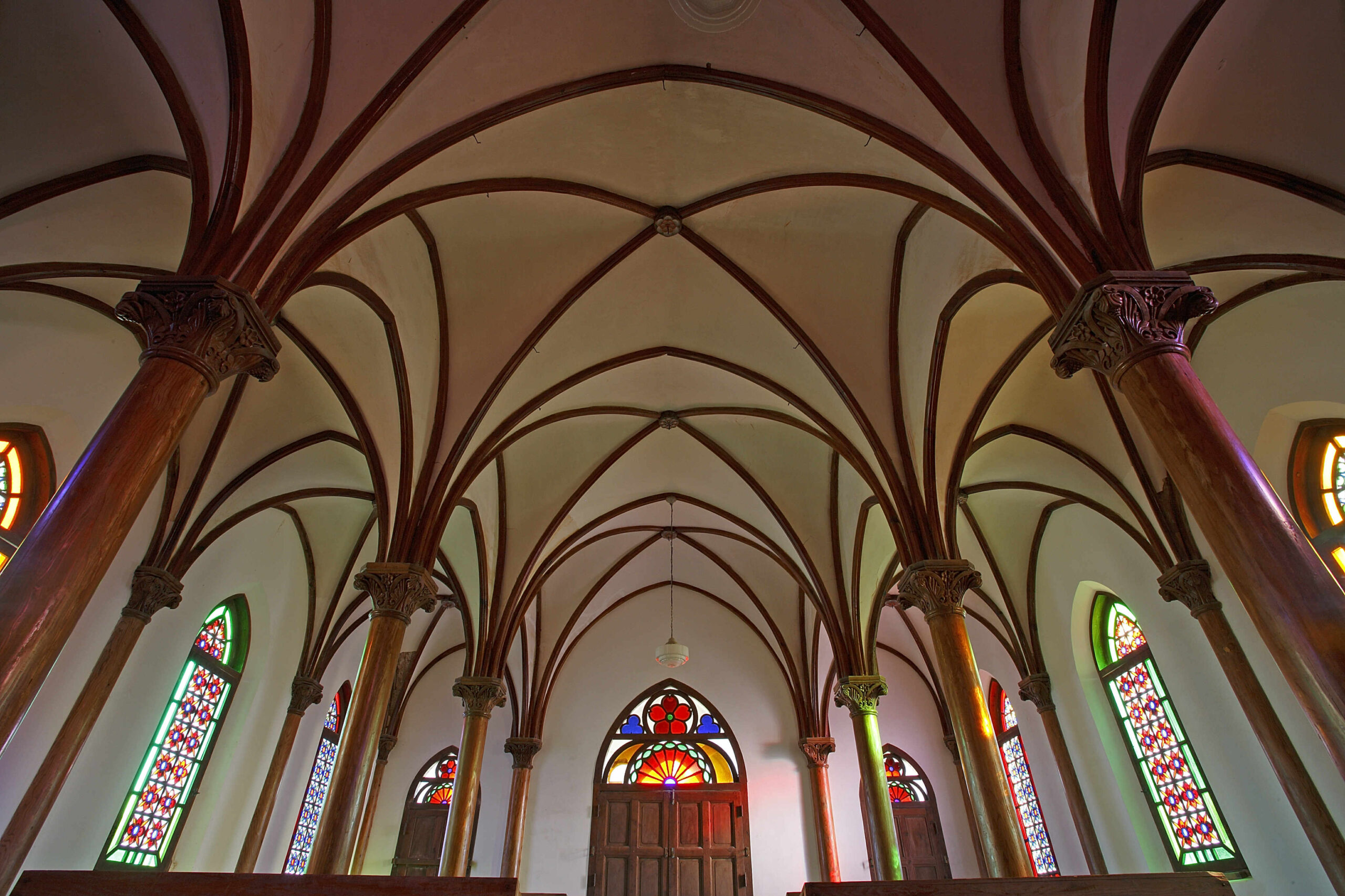
In Christianity, one of the flowers that has traditionally been used to symbolize Mary is the rose. In Japan, however, “The fifteen mysteries of the rosary” show Mary holding white camellia flowers. If you visit any church around the Goto Islands you will find Tsubaki ornament on its stained glass windows.
So there you have it! Camellia is an iconic flower and there is plenty growing around Ojika. Hope you can appreciate its beauty when visiting us in winter. Also, make sure to stock up on camelia cosmetics and yummy noodles sold at the souvenir shop inside the ferry terminal.
Join me in the Camellia fan club!:)